Why Encino, CA Residents Are Choosing Fotona 4D Laser Facial (TimeWalker)
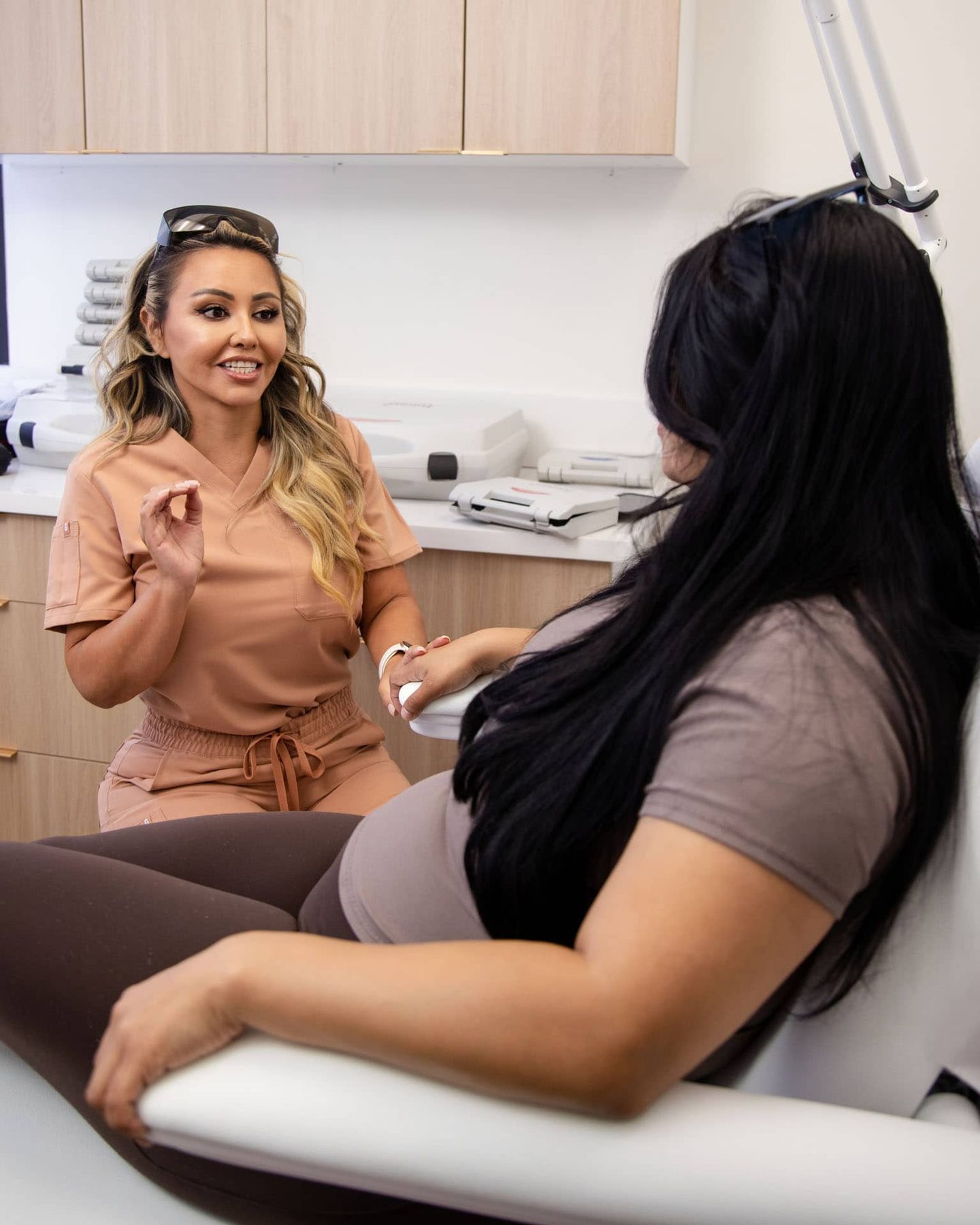
Encino has never been a place where people chase every passing beauty trend. Residents tend to be selective. They want treatments that fit real schedules, look believable, and offer visible improvement without turning recovery into a full-time job. That practical mindset helps explain the growing interest in the Fotona 4D Laser Facial (TimeWalker) Encino, CA providers are offering.
People are not simply asking for brighter skin anymore. They are asking more pointed questions. Can a treatment tighten without surgery? Can it improve texture, dullness, and early laxity in one plan? Can it work for someone who has school drop-off at 8, meetings by 10, and dinner plans by 7? Those are the kinds of concerns that have moved Fotona 4D from a niche laser service into a serious option for patients who want rejuvenation with less disruption.
What makes this treatment stand out is not hype. It is the way it stacks several meaningful laser steps into one session. Instead of treating only the surface or only one isolated issue, it approaches skin quality from multiple angles, including tone, texture, mild sagging, and the area around the mouth and lower face. For many Encino patients, that layered approach feels more worth their time and money than booking separate treatments that each target only one concern.
A treatment built for people who want improvement, not a dramatic reveal
One of the most common things patients say before any aesthetic treatment is that they do not want to look like they had work done. They want to look rested, tighter, fresher, maybe a bit more polished. They do not want coworkers asking what happened to their face.
That preference matters in Encino. This is a community where many people are visible in their professional and social circles, but they are also trying to preserve a natural appearance. A hard-reset look does not appeal to everyone. Fotona 4D speaks to that sensibility because it usually produces change progressively. Skin often looks smoother and more radiant first, then firmer over time as collagen remodeling develops.
The treatment uses a sequence of laser modes rather than a single pass with one device setting. That is part of the appeal. It can address deeper tissue support, inner oral mucosa tightening, mid-level skin rejuvenation, and surface refinement in one appointment. Patients often appreciate that they are not forced to choose between texture correction and tightening. They can pursue both in the same overall session plan.
There is also a psychological piece here that experienced aesthetic providers see all the time. Patients are more likely to stay consistent with a treatment if it feels manageable. A procedure that offers visible payoff with moderate downtime tends to fit real life better than one that requires a week or more of hiding out at home. Encino residents, especially parents, professionals, and caregivers, often value that balance.
Why the TimeWalker platform gets attention
Not every non-surgical facial rejuvenation treatment works the same way, even when the marketing language sounds similar. The TimeWalker platform has drawn attention because it allows providers to combine complementary modes in a coordinated treatment. In practical terms, that means one session can support collagen stimulation, improve superficial irregularities, and target areas that are difficult to tighten with creams or standard facials.
The intraoral component is often the part that surprises people. By treating from inside the mouth along the cheeks and perioral area, providers can stimulate tissue in a way that contributes to subtle tightening around nasolabial folds and the lower face. Patients who are not ready for surgery, but Fotona 4D Laser Facial (TimeWalker) Encino, CA who are starting to notice mild descent or softness around the mouth, often find that especially interesting.
Then there is the surface benefit. Sun exposure is a real factor in Southern California, even for patients who wear sunscreen regularly. Years of incidental UV exposure while driving, walking the dog, playing tennis, or sitting near a sunny window can show up as uneven tone, roughness, enlarged pores, and fine etched lines. Treatments that address only deep tissue do not always improve that top-layer quality. Fotona 4D can bridge both concerns.
This matters because people rarely come in with one complaint. A patient may say she wants tightening, but what bothers her equally is crepey texture around the mouth. Another may mention fine lines, but on examination it is obvious that mild laxity and loss of firmness are making the face look more tired overall. A platform that can address several contributors at once is often more satisfying than a piecemeal approach.
Encino patients tend to ask practical questions first
In consultation, interest usually does not begin with technical specs. It starts with ordinary, sensible questions. How long does it take? Will it hurt? Will I peel? Will I be red for days? How many sessions do I need? Is this better than microneedling, IPL, or radiofrequency?
Those are good questions, and the answers depend on skin condition, goals, and tolerance for downtime. In broad terms, Fotona 4D is often attractive because it occupies a middle ground. It can be more comprehensive than a light facial treatment, but less disruptive than aggressive resurfacing. For many people, that is the sweet spot.
It is not no-downtime in the strictest sense for every patient. Some leave pink for a few hours. Others look flushed into the next day. If a more resurfacing-oriented setting is used, there can be a sandpapery feel or mild shedding. That said, many patients feel comfortable returning to routine quickly, especially compared with fully ablative procedures.
Pain tolerance is another area where honesty helps. Some steps are easy. Others feel warm, prickly, or snappy, especially near the mouth or under the eyes. Good topical numbing, clear communication, and skilled technique make a difference. Most patients do well when they know what to expect and understand that the discomfort is time-limited.
Why it resonates in a high-sun, high-visibility environment
Living in Encino means sun is part of life, whether you are seeking it or not. Even disciplined sunscreen users accumulate damage over time. Pigment irregularities, rough patches, broken capillaries, and fine lines are common complaints, especially once patients reach their late thirties, forties, and fifties. Add stress, sleep disruption, and normal collagen decline, and the skin can start to lose its crispness.
That does not necessarily mean a person wants a deep peel or surgery. Many people simply want to look less tired and more refined. They notice that makeup no longer sits smoothly. They see early jowling in certain light. They feel that their skin lost bounce. The appeal of a treatment like Fotona 4D is that it speaks to those subtle but meaningful changes.
Encino also has a social rhythm where people see each other often, at work, at school events, at restaurants, at the gym. Looking refreshed without a dramatic public recovery is valuable. Patients often prefer treatments they can schedule strategically, perhaps before a lighter workweek or a weekend with fewer obligations, rather than procedures that remove them from circulation for an extended period.
The people who tend to be happiest with it
In practice, the best candidates are usually not chasing perfection. They are people noticing early to moderate signs of facial aging who still have enough skin elasticity to respond well to collagen stimulation. They may have mild laxity through the lower face, textural roughness, enlarged pores, creasing around the mouth, or a generally tired look despite decent skincare.
They also tend to understand that lasers work best as part of a plan, not as a miracle event. A single treatment can give a useful boost, but a series often produces more meaningful change. Maintenance matters too. Patients who grasp that usually report higher satisfaction because their expectations align with biology.
The strongest candidates often share a few traits:
- They want visible improvement but still want to look like themselves.
- They can commit to a series if their provider recommends one.
- They have realistic expectations about gradual collagen remodeling.
- They are willing to protect their skin afterward with consistent sun care.
- They prefer a customizable treatment over a one-size-fits-all facial.
On the other hand, it is not the ideal fit for everyone. Someone with significant skin laxity may be disappointed if they expect a surgical-level lift. A patient with active melasma, recent tanning, certain inflammatory skin conditions, or a tendency to overreact to heat-based procedures may need a different plan or more cautious settings. This is where experience matters. Good providers do not force a laser onto every face that walks in the door.
What actually changes after treatment
Patients often talk about results in everyday language rather than clinical terms. They say their skin looks less crumpled. Their jawline photographs better. Their pores seem tighter. Lipstick stops feathering as much around the mouth. Concealer sits more smoothly under the eyes. They look less worn out at the end of the day.
Those observations are useful because they capture the true value of the treatment. Many people are not measuring results with calipers. They are measuring them by how often they need to blur a photo, how much makeup they use, or whether they feel polished with less effort.
There is often an early glow related to mild swelling and surface renewal, but the more meaningful tightening unfolds over weeks as collagen remodeling continues. That delayed benefit is important to explain, especially to patients who expect instant transformation. The face often looks subtly better before it looks definitively firmer.
One pattern I have seen repeatedly is that patients appreciate the mouth area response. Around the lips, aging can show up early and stubbornly. Fine lines, texture changes, and softening around the lower face are hard to ignore, especially in bright daylight. Because Fotona 4D includes treatment strategies that address this region thoughtfully, patients often feel they get more comprehensive rejuvenation than they expected.
How it compares with other popular options
Patients in Encino are usually not choosing in a vacuum. They are comparing Fotona 4D against microneedling, radiofrequency microneedling, IPL, traditional resurfacing lasers, injectables, and surgical consultations. Each has its place.
Microneedling can be excellent for texture and mild scarring, especially when done consistently, but it may not offer the same degree of tissue tightening for certain patients. IPL is useful for redness and pigment, but it does not meaningfully address laxity. Radiofrequency microneedling can tighten and improve texture, though downtime and comfort level vary, and results depend heavily on settings and technique. Injectables can Fotona 4D Laser Facial (TimeWalker) Encino, CA restore volume or relax motion lines, but they do not improve skin quality in the same way. Surgery remains the strongest option for advanced laxity, but it comes with a very different level of commitment.
That is why the Fotona 4D Laser Facial (TimeWalker) Encino, CA patients ask about so often tends to attract a particular group. They want a middle path. They are not ready for surgery. They may already use neuromodulators or filler and want better skin quality to match. Or they may want a collagen-focused treatment that does more than a standard facial but feels less intense than deeper resurfacing.
The value of customization, which is where good results are made
Two patients of the same age can need completely different treatment plans. One 48-year-old may have impressive elasticity but significant sun damage. Another may have even skin tone but more lower-face softness and etched lines around the lips. Treating them with identical settings would make little sense.
A skilled provider adjusts energy, sequence, and emphasis based on skin thickness, pigment tendencies, downtime tolerance, and goals. That customization is not a luxury feature. It is central to safety and outcome. The same device can produce underwhelming results if used too timidly, or unnecessary irritation if used too aggressively.
This is also why price shopping alone often backfires in aesthetics. The machine matters, but the hands behind it matter more. Proper patient selection, sensible treatment intervals, and the judgment to combine or separate modalities are what create the final result. A discount session done without a thoughtful plan may cost less upfront and more in frustration later.
What recovery usually looks like in real life
Recovery is often one of the biggest reasons patients choose this treatment over more aggressive alternatives. That said, "easy" does not mean identical for every person. Some people are mildly pink for the rest of the day and feel fine by morning. Others experience two to three days of redness, a warm sensation, slight swelling, or a roughened texture before the skin settles.
Most people do well when they keep the first few days simple:
- Use a gentle cleanser and bland moisturizer.
- Avoid exfoliants, retinoids, and active acids until cleared by your provider.
- Prioritize mineral sunscreen and shade, especially in the first week.
- Skip intense workouts, saunas, and excessive heat for a short period if advised.
- Let the skin shed naturally rather than scrubbing or picking.
The biggest avoidable mistake is going back to a harsh routine too quickly. Patients who are enthusiastic about skincare sometimes sabotage healing by layering vitamin C, retinoids, exfoliating pads, and active serums too soon. After laser treatment, restraint usually serves the skin better than ambition.
Why natural-looking results matter more now than they used to
A decade ago, many patients focused on individual fixes. Fill the fold. Freeze the forehead. Brighten the spot. Tighten the neck. That mindset has shifted. More people now understand that facial aging is cumulative and interconnected. Skin quality, elasticity, volume distribution, and light reflection all affect how youthful a face appears.
That change in perspective helps explain why Fotona 4D has gained traction. It supports a more integrated outcome. When skin reflects light better, pores are less obvious, texture is smoother, and the lower face feels slightly firmer, the overall impression improves even if no single feature changes dramatically. People often respond to that kind of rejuvenation by saying someone looks well, rather than altered.
For Encino residents, that subtlety is often exactly the point. They are not trying to erase every line. Many simply want their outer appearance to match how energetic they still feel. They want to soften the signs of stress, sun, and time without losing character.
The role of timing, maintenance, and realistic planning
One treatment can be satisfying, particularly before an event or as a re-entry into professional skincare after a long break. But the patients who get the most out of laser rejuvenation usually think in seasons, not snapshots. They may do an initial series, then maintain once or twice a year depending on their skin, budget, and goals.
That pacing works well for busy people. It allows improvement to build without forcing frequent appointments. It also creates flexibility. A patient can combine Fotona 4D with other treatments over time if needed, perhaps adding pigment-specific work, conservative neuromodulators, or targeted resurfacing later.
A smart provider helps set that cadence. They explain what the treatment can do, what it cannot do, and when another option may make more sense. That honesty is part of why word-of-mouth matters so much in communities like Encino. Patients remember when they were guided well. They also remember when they were sold a fantasy.
Why Encino keeps coming back to treatments like this
The strongest reason residents continue choosing Fotona 4D is simple. It aligns with how many people actually want to age. Not passively, but not aggressively either. They want skin that looks healthier, firmer, and more even. They want a treatment with enough substance to justify the appointment, but not so much downtime that life has to stop.
The Fotona 4D Laser Facial (TimeWalker) Encino, CA patients are gravitating toward fits that middle lane unusually well. It offers a multi-layered strategy for common concerns, supports natural-looking rejuvenation, and can be adapted to different faces and schedules. For the right patient, that combination is hard to ignore.
Beauty decisions in places like Encino are rarely about one flashy promise. They are about whether a treatment keeps proving itself in the lives of real people, over time, in normal lighting, after meetings, school runs, workouts, and dinners out. That is the real test. And it is exactly where this laser facial has earned its growing reputation.
OMNIA Wellness Center
16430 Ventura Blvd Ste 207, Encino, CA 91436
Phone: +1 818-386-8511
FAQ About Fotona 4D Laser Facial (TimeWalker) Encino, CA
What is a Fotona laser good for?
Fotona lasers support several different aesthetic protocols. The Fotona 4D facial uses two wavelengths and four treatment modes to address concerns such as fine lines, skin texture, and mild laxity. OMNIA Wellness Center offers the TimeWalker facial with an individual consultation. Suitability and likely improvement depend on the person's skin and goals; results are not guaranteed, and this treatment does not reproduce a surgical facelift.
How much does a Fotona laser treatment cost?
The cost depends on the treatment protocol, areas treated, number of sessions, and provider's assessment. Ask OMNIA Wellness Center for a current written quote that explains what is included, whether follow-up is included, and any proposed package terms. An individualized estimate is more useful than assuming that one advertised price applies to every facial treatment.
How much downtime is there after a Fotona laser procedure?
Recovery varies with the specific protocol and intensity. Fotona describes its 4D facial as having little to no downtime, but temporary redness or sensitivity can occur, and a stronger surface treatment can require more recovery. Ask the treating clinician what to expect from the planned settings, how to care for the skin afterward, and when to contact the clinic with concerns.