The Science Behind Fotona 4D Laser Facial (TimeWalker)
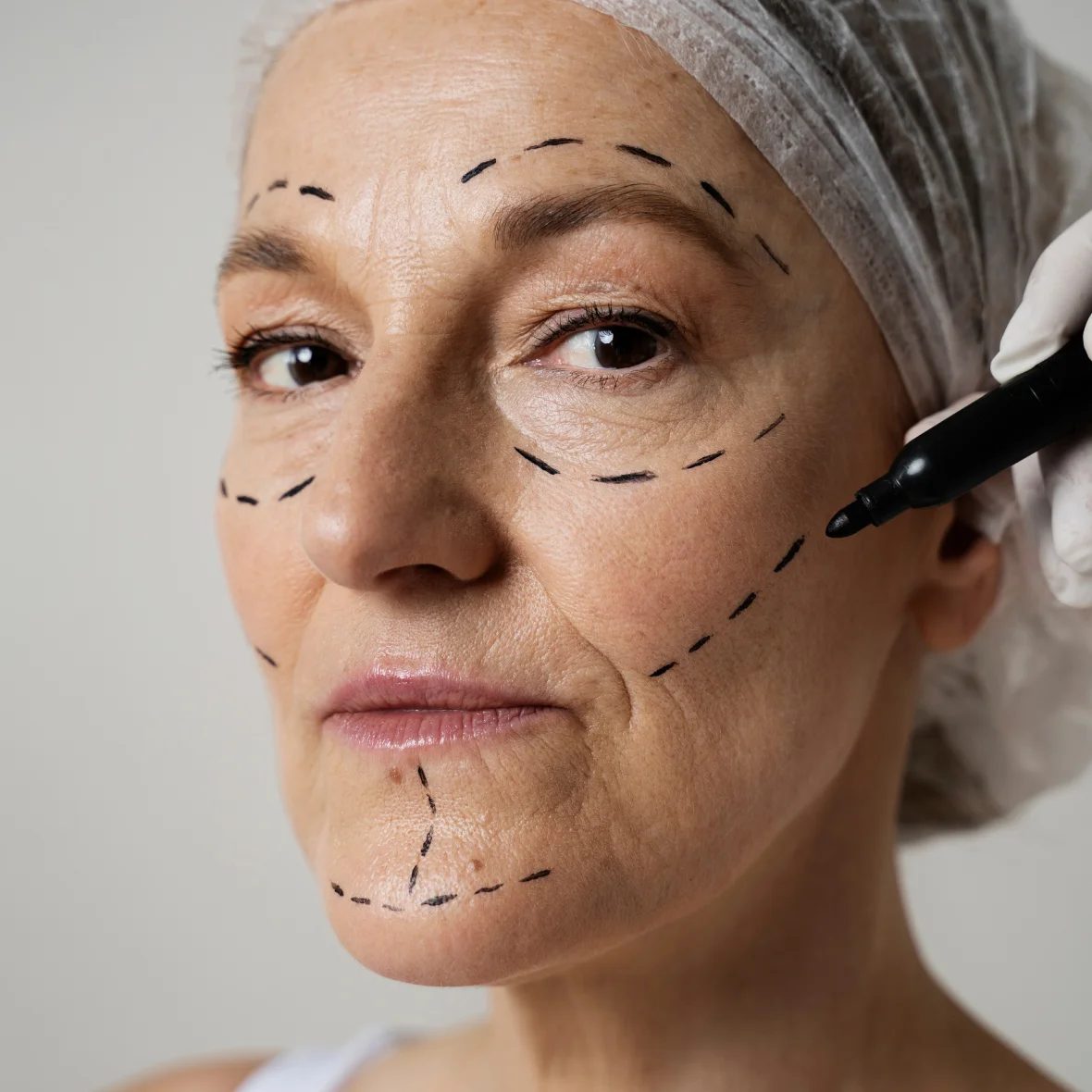
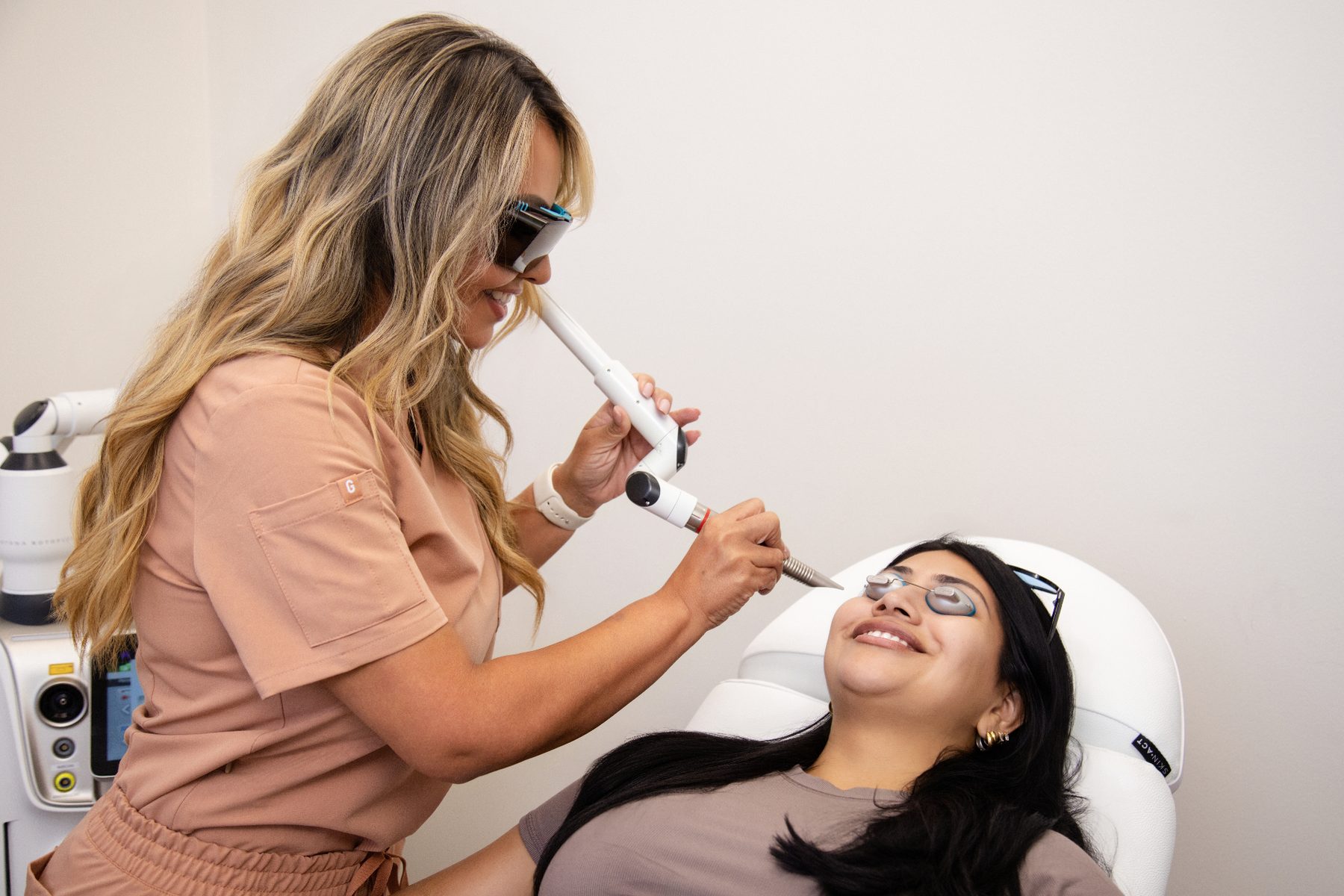
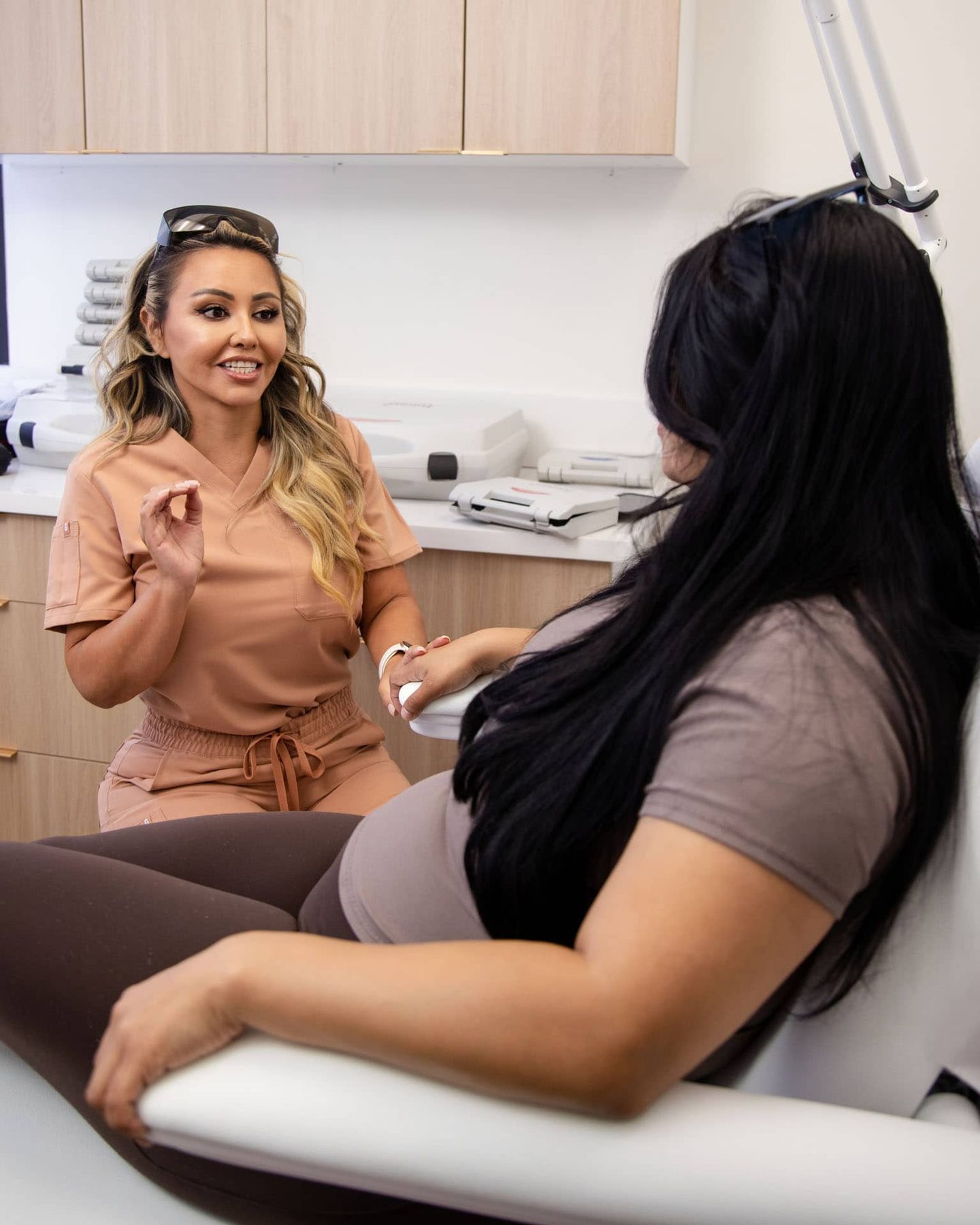
The appeal of the Fotona 4D Laser Facial (TimeWalker) is easy to understand. Patients want firmer skin, softer lines, better texture, and a fresher overall look, but many are not ready for surgery, prolonged recovery, or a treatment plan that leaves them looking visibly treated for a week. What makes this platform interesting is not just the marketing around "4D." It is the way multiple laser modes are layered to stimulate tissue at different depths, from the inside of the mouth to the skin surface, in a sequence designed to create cumulative change.
That layered approach matters because facial aging does not happen in one place. It is not just a wrinkle problem. It is a structural problem involving collagen thinning, elastin fatigue, subtle volume descent, slower cell turnover, changes in the dermal matrix, and progressive textural irregularity at the epidermal level. Any device that claims to improve facial aging without surgery has to address at least some of those changes in a coherent way. The reason the Fotona system has attracted attention in experienced aesthetic practices is that it tries to do exactly that by combining non-ablative and ablative effects, controlled heating, and tissue remodeling in one treatment session.
Why the "4D" concept exists in the first place
When people hear "laser facial," they often imagine a single beam directed at the skin. That is too simplistic for what is actually happening here. The TimeWalker platform uses erbium:YAG and Nd:YAG laser wavelengths in different pulse modes, each chosen for a specific tissue interaction.
The "4D" label refers to four treatment dimensions or stages that target different tissue layers and concerns. The point is not novelty for its own sake. It is to stack complementary mechanisms. Some stages heat deeper tissue without significantly injuring the surface. Others lightly resurface the skin to improve texture and reflectivity. One stage is delivered intraorally, which surprises many first-time patients, but there is a scientific rationale for it. The inside-out step allows tightening in tissue planes that are difficult to address from the surface alone.
In practical terms, that means the treatment is trying to do several jobs at once: contract existing collagen, trigger fibroblast activity for new collagen formation, improve circulation and cellular turnover, and refine the superficial skin layer so the optical quality of the skin improves. Good outcomes usually come from that combination rather than from one dramatic effect.
The wavelengths and why they behave differently
Laser science always comes back to one principle: selective absorption. Different tissues absorb different wavelengths differently, and that determines where the energy goes and what kind of effect it produces.
Erbium:YAG, at 2940 nm, is strongly absorbed by water. Since skin contains a great deal of water, this wavelength is excellent for precise superficial ablation and controlled thermal effects in very water-rich tissue. In the right settings, it can remove or heat very thin layers with impressive accuracy. That makes it useful for texture, fine lines, and surface renewal. Because the absorption is so high, erbium can create a strong effect with relatively limited thermal spread compared with some older resurfacing systems. That is one reason erbium-based treatments often appeal to patients who want visible skin improvement with less downtime than full traditional resurfacing.
Nd:YAG, at 1064 nm, behaves differently. It penetrates more deeply and is less absorbed by surface water. That makes it useful for bulk heating of deeper dermal structures and vascular targets. When delivered in carefully selected pulse durations and fluences, it can raise tissue temperature enough to stimulate collagen remodeling without necessarily disrupting the epidermis in a dramatic way.
Those two wavelengths complement each other. One works especially well as a precise surface and near-surface tool. The other is better suited for deeper thermal stimulation. Combining them is scientifically logical because skin laxity, crepiness, enlarged pores, and fine wrinkling do not share one single depth profile.
What actually happens during a Fotona 4D Laser Facial (TimeWalker)
The exact protocol varies by clinic and patient, but the classic concept involves four stages. Their names may sound branded, yet each reflects a distinct tissue goal.
- SmoothLiftin, an intraoral erbium:YAG step used to heat mucosal tissue and support tightening around the perioral region, nasolabial area, and lower face from the inside out
- FRAC3, a fractional Nd:YAG stage aimed at deeper imperfections and textural irregularities through controlled three-dimensional thermal injury patterns
- PIANO, a bulk-heating Nd:YAG mode designed for uniform deep dermal heating to promote tightening and collagen remodeling
- SupErficial, a light erbium:YAG polishing or micro-resurfacing step that improves the skin surface, brightness, and tactile smoothness
That sequence is what gives the treatment its logic. The inner oral pass targets a region where skin aging often shows up early, especially around the upper lip and smile omniawellnesscenterencino.com Fotona 4D Laser Facial (TimeWalker) lines. The fractional deep-treatment step addresses irregularity and visible signs of photoaging. The bulk-heating phase supports tissue contraction and collagen stimulation over broader zones. The final polishing pass provides the immediate "glow" many patients notice first, even though the deeper biologic changes take longer.
A patient may walk out saying their skin looks brighter that day, and that is true. But the more meaningful science is in what unfolds over weeks as wound-healing pathways and matrix remodeling progress.
The biology of collagen remodeling
Aesthetic medicine often reduces everything to "boosting collagen," but the actual process is more nuanced. Controlled thermal injury can denature existing collagen fibers, which leads to immediate contraction in some tissue. More important for longer-term improvement, it triggers a repair response that involves fibroblast activation, extracellular matrix signaling, and production of new collagen and, to some extent, elastin-related remodeling.
This process is not instant. Early improvement often comes from mild edema, surface smoothing, and optical changes in the stratum corneum. The firmer, tighter look that develops over one to three months is tied more to neocollagenesis and matrix reorganization. This is why experienced clinicians are careful with expectations. A single treatment can produce visible change in selected patients, but a series often gives more convincing and stable results because collagen remodeling is incremental.
Temperature matters. Too little heating and the biological response is weak. Too much and the risk of burns, prolonged inflammation, post-inflammatory pigmentation, or scarring rises. The engineering value of advanced pulse modes lies in their effort to deposit enough energy to drive remodeling while controlling damage patterns. That balancing act is where good devices and good technique meet.
Why the intraoral step is not just a gimmick
The intraoral component is often what makes first-time patients pause. Yet from a structural standpoint, it is one of the more interesting parts of the protocol. The inside of the mouth provides access to mucosal tissue that lies adjacent to the perioral and lower midface support zones. By delivering controlled heat there, the treatment aims to contract collagen and support soft-tissue tightening in areas that are difficult to influence adequately from the external skin surface alone.
Clinically, this can be useful for fine radial lip lines, early softening of nasolabial folds, and mild laxity around the mouth. It is not a substitute for a surgical lift, nor is it a replacement for filler when volume loss is the dominant issue. But in the right patient, it can improve tissue quality in a way that looks natural because the skin is not simply being filled or frozen. It is being encouraged to behave younger.
Patients often describe this stage as unusual rather than painful. The sensation is typically a warm snapping or heating feeling along the inner cheek and lip lining. Good operator technique, proper settings, and clear communication make a big difference here.
Surface improvement versus deeper tightening
One reason patients sometimes feel confused after consultations is that they hear several benefits discussed in one breath: pores, lines, pigmentation, tightening, glow, contour. Not all of those endpoints respond equally, and not all of them improve on the same timeline.
Surface improvement tends to show up first. The light erbium polishing stage can leave skin looking smoother, more reflective, and more even within days. Makeup sits better. The skin feels less rough. Fine creasing can soften because the superficial irregularities have been reduced.
Deeper tightening takes longer and is less dramatic than surgery. This is a key point. Non-surgical tightening works best in patients with mild to moderate laxity, especially those in the early phases of tissue descent rather than advanced sagging. The biological ceiling is real. A laser can stimulate remodeling, but it cannot recreate the structural repositioning of a facelift. The best clinics explain this plainly because overselling energy-based devices is one of the fastest ways to disappoint good patients.
Who tends to benefit most
In practice, the strongest candidates are often people in their thirties through fifties with early signs of aging, textural changes, enlarged pores, fine perioral lines, mild skin laxity, or dullness related to cumulative sun exposure. Patients who do not want injectables often like it because it offers a different pathway to improvement. Patients who already use injectables may also benefit because better skin quality makes every other treatment look better.
The treatment is less satisfying when severe jowling, pronounced skin redundancy, or marked volume depletion is the main issue. In those cases, lasers can help the skin look healthier, but they will not fully address the structural reason a person looks older or more tired.
Skin tone matters too. While modern protocols can be adapted for a range of skin types, the more aggressive the resurfacing component, the more cautious a clinician must be with patients prone to post-inflammatory hyperpigmentation. That does not rule treatment out, but it often changes settings, spacing, pretreatment skincare, and aftercare intensity.
What a good assessment looks like
The difference between a strong outcome and a mediocre one often begins before the laser is turned on. An experienced practitioner will assess not just wrinkles, but facial movement, degree of laxity, pattern of volume loss, skin thickness, sebaceous activity, prior procedures, history of cold sores, pigment tendency, and how much downtime the patient can realistically tolerate.
A thoughtful consultation usually covers the following points:
- whether the main concern is texture, laxity, perioral lines, pores, or overall dullness
- how much downtime is acceptable, from almost none to several days of redness and roughness
- whether there is a history of melasma, hyperpigmentation, or abnormal scarring
- whether adjuncts such as skincare, neuromodulators, filler, or biostimulators would improve the result
- whether expectations are aligned with what a non-surgical treatment can actually deliver
That last point is the one that saves the most frustration. A patient seeking a softer, fresher, tighter appearance without major downtime can be thrilled. A patient hoping for surgical-level lifting from one session will not be.
The role of heat, time, and tissue response
One of the more technical but important aspects of this treatment is how heat is delivered over time. Tissue response depends not only on wavelength, but on pulse duration, pulse pattern, spot size, fluence, and cumulative thermal effect. Bulk heating modes are designed to bring tissue to a therapeutic temperature range while trying to avoid surface overheating.
When collagen is heated into a Fotona 4D Laser Facial (TimeWalker) certain range, its triple-helix structure begins to denature. That can create immediate contraction, but sustained remodeling depends on the wound-healing cascade that follows. If treatment is too shallow, the result may be mostly transient glow. If it is too aggressive for the patient’s skin biology, the inflammatory burden rises and outcomes become less predictable.
This is why protocols are rarely identical from one face to another. Thicker, oilier skin may tolerate and benefit from more robust settings than thin, dry, reactive skin. The under-eye region demands different judgment than the cheeks. Perioral skin often needs special care because it wrinkles early but also reacts easily.
Downtime, discomfort, and recovery in the real world
Many promotional descriptions make energy-based facial treatments sound nearly effortless. In reality, recovery varies with intensity and the exact mix of stages performed. A lighter treatment may leave a patient pink for a day or two with mild roughness and swelling. A stronger resurfacing finish can produce more noticeable redness, sandpapery texture, dryness, and social downtime for several days.
Discomfort is usually manageable. Topical anesthetic may be used depending on settings and practitioner preference. The deep-heating phases often feel hot rather than sharply painful. The superficial erbium pass is more likely to create a prickling or warm stinging sensation. The intraoral step feels strange to many patients, but most tolerate it well.
Aftercare matters more than patients expect. Gentle cleansing, barrier-supportive moisturizers, strict sunscreen use, temporary avoidance of irritating actives, and in some cases antiviral prophylaxis can all shape the outcome. The skin is in a healing phase after treatment. Overdoing exfoliants or jumping back into potent retinoids too quickly is a common mistake.
How it compares with other non-surgical rejuvenation options
The Fotona 4D Laser Facial (TimeWalker) sits in an interesting middle ground. It is more biologically active than a simple no-downtime facial and less invasive than aggressive ablative resurfacing or surgery. Compared with radiofrequency-based tightening, it offers a different balance of surface change and deeper remodeling. Compared with fractional CO2, it is often sought by patients who want shorter recovery or a more flexible treatment profile, though CO2 may still produce stronger resurfacing in selected cases. Compared with injectables, it improves tissue quality rather than replacing volume or reducing muscle movement.
The most useful comparison is not "which treatment is best" but "which problem are we trying to solve." Fine smoker’s lines, crepey texture, enlarged pores, and mild laxity may respond nicely to a layered laser approach. Hollow cheeks need volume restoration. Heavy lower-face descent may need surgery to truly change contour. In experienced hands, combination care often produces the most natural result because each tool is used for the problem it actually treats.
Safety, limitations, and the importance of technique
No laser treatment is risk-free. The usual concerns include burns, blistering, prolonged redness, acne flare, reactivation of herpes simplex, swelling, and pigmentary change. True scarring is uncommon when treatment is properly selected and performed, but the risk rises with excessive settings, poor aftercare, active tanning, or inappropriate treatment of high-risk skin.
Technique matters enormously. A good operator understands overlap, endpoint recognition, tissue response, and how to adjust the protocol when a patient’s skin is thinner, darker, more reactive, or recently exposed to sun. Devices do not produce outcomes on their own. They produce outcomes through the hands and judgment of the person using them.
This is especially important because the treatment can be customized. Customization is a strength, but it also means quality varies between clinics. One practice may deliver a conservative glow treatment under the same branded name that another practice uses for a far more comprehensive rejuvenation session. Patients often do not realize how much the result depends on that difference.
What results usually look like over time
The most immediate changes tend to be brightness, smoother feel, and mild tightening from edema and superficial refinement. Over the next four to twelve weeks, collagen remodeling contributes to gradual improvement in firmness and fine wrinkling. Some patients see meaningful change after one session, especially if their starting point is mild aging and textural dullness. Others need a series, often spaced several weeks apart, to appreciate the full benefit.
Maintenance is another reality that deserves honesty. Skin keeps aging. Sun exposure, hormonal shifts, sleep quality, smoking, and weight fluctuations all influence durability. A well-executed series can produce results that hold for months, but maintenance sessions and disciplined skincare usually help preserve the effect.
The best outcomes are often subtle in the most flattering way. People notice that the face looks rested, smoother, or healthier without immediately guessing why. In aesthetic medicine, that is often a better endpoint than a dramatic, obviously procedural look.
Why science and restraint matter more than branding
There is no shortage of flashy names in cosmetic dermatology and aesthetic medicine. Branding can attract attention, but tissue biology does not care about marketing language. What matters is whether the chosen wavelengths, pulse modes, and treatment depths match the patient’s anatomy and goals.
That is where the Fotona 4D Laser Facial (TimeWalker) earns its place. The science behind it is not mystical. It is based on well-understood laser-tissue interactions, staged thermal stimulation, and selective surface renewal. Its value lies in the way those effects are combined, not in the claim that one session can replace every other rejuvenation option.
For the right patient, that combination can be elegant. It addresses the face as a layered structure rather than a flat canvas. It respects the fact that aging shows up in texture, tone, tightness, and tissue support all at once. And when it is done with technical precision and realistic planning, it can produce the kind of improvement many patients want most, visible enough to feel worthwhile, natural enough that the face still looks like their own.
OMNIA Wellness Center
Address: 16430 Ventura Blvd Ste 207, Encino, CA 91436
Phone: (818) 386-8511
FAQ About Fotona 4D Laser Facial (TimeWalker)
What are the benefits of Fotona laser treatment?
OMNIA offers this treatment for concerns such as uneven texture, dull tone, and fine lines. Results and the number of sessions vary, so discuss your goals with a provider.
Is Fotona laser safe?
A qualified provider should review your skin, medical history, medications, and recent sun exposure to determine whether the treatment is appropriate. Ask about possible irritation, pigment changes, and aftercare before booking.
How much does a Fotona 4D facelift cost?
Price depends on the treatment plan and number of visits. Ask OMNIA for an itemized estimate during your consultation.