Fotona 4D Laser Facial (TimeWalker) vs Traditional Facials
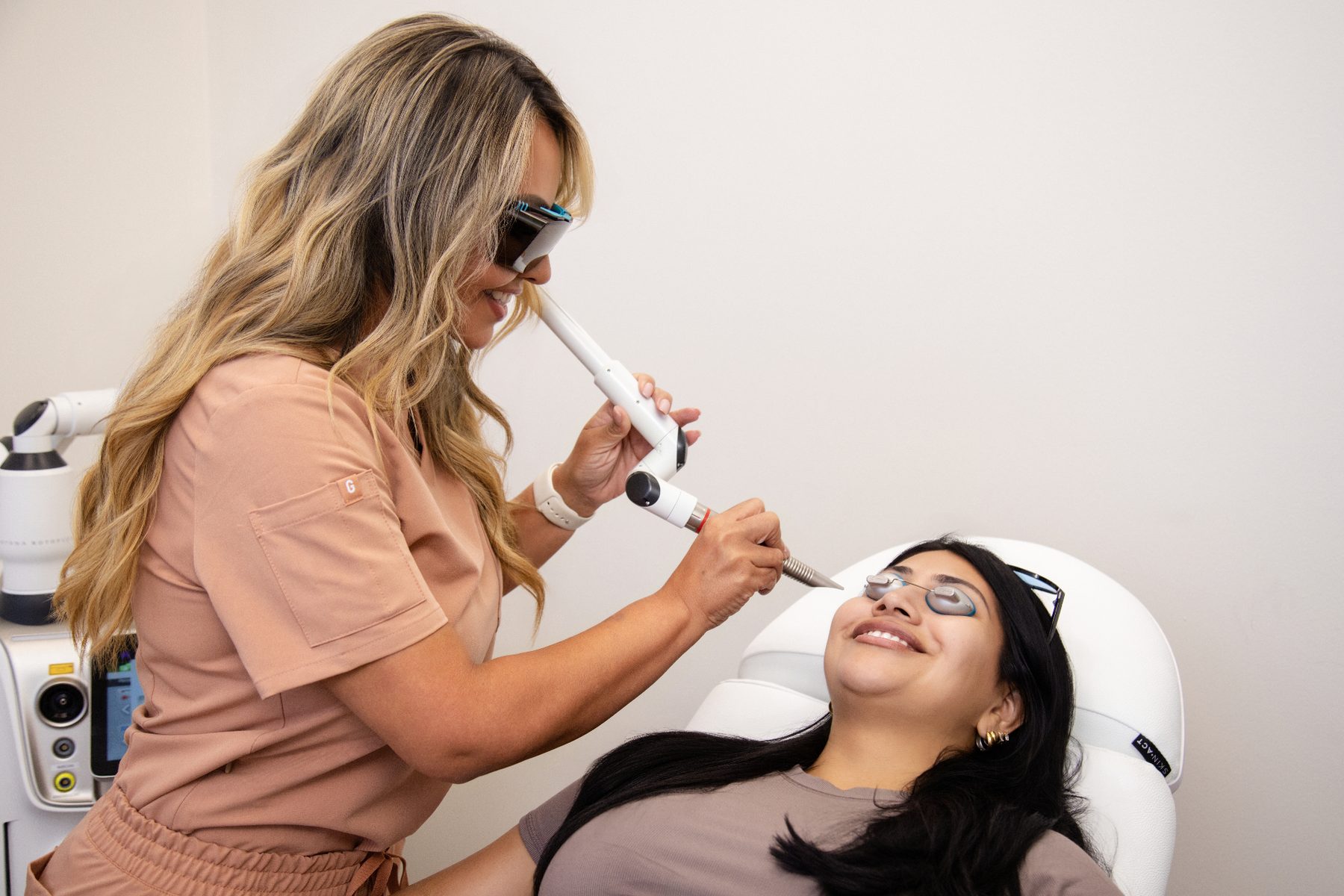

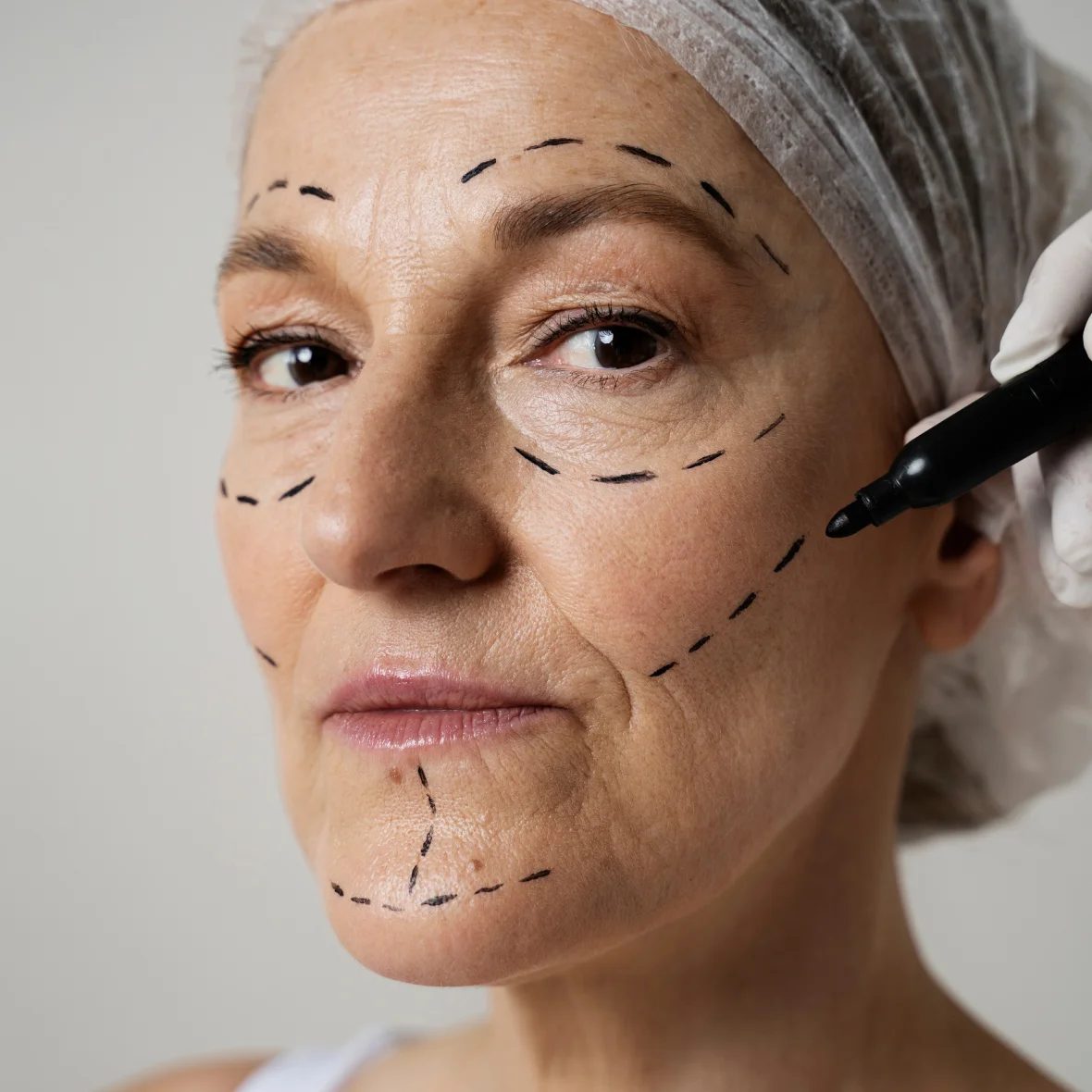
People often use the word “facial” as if every treatment in that category does roughly the same job. In practice, a traditional facial and a Fotona 4D Laser Facial (TimeWalker) sit in very different lanes. One is primarily about cleansing, surface exfoliation, hydration, and short-term skin comfort. The other is a layered laser treatment designed to stimulate collagen, improve texture, and address signs of aging at a deeper level. They can both have value. They simply solve different problems.
That distinction matters because disappointment in aesthetics usually comes from a mismatch between expectations and mechanism. Someone books a classic spa facial hoping it will tighten lax skin around the jaw. Another person tries a laser treatment expecting a relaxing, pampering hour with no downtime and a glow by dinner. Neither treatment is wrong. The fit is wrong.
If you are weighing the Fotona 4D Laser Facial (TimeWalker) against a traditional facial, the useful question is not which one is “better.” It is which one matches your skin goals, your tolerance for downtime, your budget, and your timeline for results.
Two treatments, two philosophies
A traditional facial is generally centered on the skin barrier and the stratum corneum, the outermost layer of skin. The esthetician cleanses, exfoliates, extracts if appropriate, applies masks or serums, and finishes with hydration and sun protection. Some facials add enzymes, light peels, microcurrent, LED, lymphatic massage, or oxygen infusion. The exact protocol varies widely by provider, but the basic aim is familiar: smoother skin, less congestion, better hydration, and a refreshed appearance.
A Fotona 4D Laser Facial (TimeWalker) works differently. It uses specific laser modes and wavelengths, often with multiple passes, to treat both inside the mouth and on the skin surface. The treatment is known for combining internal tightening, targeted collagen remodeling, and a final polishing step. This is why it is often discussed more like a non-surgical rejuvenation procedure than a spa service.
That internal component is one of the biggest practical differences. Traditional facials do not tighten tissue from the oral mucosa or create the kind of thermal stimulation associated with collagen remodeling. They can improve the look of skin beautifully, but they do not create the same biological response.
What happens during a traditional facial
A standard facial usually starts with cleansing and skin analysis. From there, the provider chooses exfoliation, steam, extractions, massage, masks, and finishing products based on skin type and current condition. If your skin is dry after travel, a facial can make you look less tired in an hour. If you are congested along the nose and chin, skilled extractions can clean things up in a way that home care rarely can.
This is also where traditional facials shine for maintenance. Someone with combination skin, mild acne, or seasonal dehydration may benefit from monthly treatments. Results tend to be immediate but modest: brighter tone, smoother texture to the touch, temporary plumping from hydration, and sometimes less visible congestion for a week or two.
What a facial generally cannot do is meaningfully lift the lower face, tighten crepey skin, soften deeper folds, or improve texture from long-standing sun damage in a lasting way. Good providers will say this plainly. That honesty is useful.
What happens during a Fotona 4D Laser Facial (TimeWalker)
The Fotona 4D approach is more procedural. Specific settings vary by clinic and by device configuration, but the concept is a four-dimensional treatment strategy that addresses tone, texture, and tightening from multiple angles. One stage commonly treats inside the mouth to stimulate collagen and contract tissue. Another targets deeper dermal structures externally. A lighter resurfacing or polishing pass can improve the skin’s surface quality and glow.
Patients often describe the experience as warm, prickly, and occasionally intense in small areas, but usually manageable without significant downtime. The sensation is very different from a traditional facial. There is no element of “spa comfort” in the classic sense. It feels clinical because it is clinical.
A point that often surprises first-time patients is that the immediate after-effect may be subtle. You might look a bit pink, mildly puffy, or flushed rather than dramatically transformed that same hour. The more meaningful improvements tend to unfold over weeks as collagen remodeling develops. That delayed payoff is part of what makes laser treatments powerful and part of what makes them easy to misunderstand.
The results are not on the same timeline
Traditional facials are immediate-reward treatments. You usually leave looking fresher. Makeup often sits better for a few days. Skin may feel softer the same night. If your event is tomorrow and your skin is dull but not irritated, a well-timed facial can be a smart move.
Laser rejuvenation usually asks for patience. Some people notice a smoother look quickly, especially if the treatment includes a polishing step, but the structural changes take time. Collagen stimulation is not a same-day phenomenon. The most honest way to frame it is this: facials are often best for instant cosmetic refresh, while Fotona 4D is usually chosen for cumulative improvement.
That difference becomes especially important for patients in their late thirties, forties, and fifties. Many are no longer bothered only by dullness or clogged pores. They are noticing softening around the midface, laxity near the jawline, lipstick lines, and skin that does not “bounce back” the way it did a decade ago. At that stage, traditional facials may still support skin quality, but they rarely satisfy deeper rejuvenation goals on their own.
Where traditional facials still deserve respect
There is a tendency in aesthetics to overcorrect. Once someone discovers lasers, they talk about facials as Fotona 4D Laser Facial (TimeWalker) if they are obsolete. That is too simplistic and, frankly, usually said by people who do not spend much time managing real skin over the long term.
Traditional facials remain useful because skin needs regular maintenance, barrier support, and professional observation. A client with reactive skin, rosacea tendencies, active breakouts, or recent overuse of retinoids may not be a good candidate for a heat-based treatment that day. A facial, adjusted carefully, can calm rather than provoke. In younger patients, especially those more concerned with oil control, blackheads, and post-exam stress breakouts than with collagen loss, classic facials often offer more practical value than an expensive laser package.
There is also the matter of touch. Some clients do not want every skin appointment to feel medical. They want an hour where their face is cleaned thoroughly, their scalp is massaged, and they leave feeling restored. That is not frivolous. Stress shows up in skin, and the ritual itself can be beneficial.
Where the Fotona 4D Laser Facial (TimeWalker) pulls ahead
The treatment becomes compelling when your goals move beyond refreshment into remodeling. Fine lines around the mouth, mild skin laxity, rougher texture from cumulative sun exposure, enlarged pores, and a generally “tired” look despite diligent skincare are the territory where laser treatments begin to justify their cost.
The intraoral step is particularly distinctive. It targets tissue from the inside, an area traditional facials simply do not access. In patients with early softening around the nasolabial folds or lower face, this can contribute to a firmer look without injectables or surgery. It is not a facelift, and responsible providers will never present it that way, but it can create a fresher, tighter appearance that exceeds anything a topical treatment or standard facial can produce.
There is another practical advantage: consistency. A facial’s results depend heavily on the products used, extraction skill, and how compromised your skin barrier is that week. Laser outcomes also depend on skill, of course, but they are rooted in controlled energy delivery and tissue response. For patients seeking measurable skin quality improvement over a series, that can be more satisfying.
Cost, and what you are really paying for
Traditional facials are usually much less expensive per session than a Fotona 4D Laser Facial (TimeWalker). In many markets, a standard facial might cost what some patients spend on a good dinner out, while a multi-step laser session is priced more like a minor aesthetic procedure. That gap can feel dramatic until you look at what each treatment is intended to do.
A facial fee mostly reflects professional time, consumables, and expertise in topical skin management. A laser fee includes not only clinician time but also device cost, maintenance, training, treatment planning, and procedural oversight. These are not interchangeable services with different branding. They are genuinely different interventions.
Even so, price should be judged against outcome and frequency. If you get a monthly facial for years because you enjoy it and your skin responds well, that can be entirely worthwhile. If you Fotona 4D Laser Facial (TimeWalker) are trying to address laxity with facials alone, the math starts to look less favorable. I have seen many patients spend generously on beautiful maintenance treatments while still feeling frustrated by the same structural concerns year after year.
Downtime, risk, and the fine print
This is where nuance matters. Traditional facials are not automatically risk-free. Aggressive extractions, harsh acids, or heavily fragranced products can trigger irritation, post-inflammatory pigmentation, or a prolonged breakout in sensitive skin. That said, the average facial carries relatively low risk when performed appropriately.
Laser procedures introduce a different risk profile. Redness, swelling, temporary dryness, sensitivity, and in some cases post-inflammatory pigmentation are possible, particularly in patients with darker skin tones or those who are not properly screened and treated conservatively. Sun exposure before and after treatment matters. So does your history of melasma, herpes simplex outbreaks, recent isotretinoin use, active inflammatory skin disease, or a compromised barrier.
This is why consultation quality matters more with a laser than with a classic facial. A rushed assessment is a red flag. Good practitioners ask about medications, tanning habits, prior procedures, cold sores, rosacea, pregnancy status when relevant, and your ability to follow aftercare. They also explain what the treatment is likely to improve, what it may not change much, and how many sessions might be realistic.
Who tends to be happiest with each option
The happiest facial clients are often people who value immediate glow, routine upkeep, acne management, hydration, or simple relaxation. They know a facial is not going to tighten a neck or erase etched lines, and they appreciate it for what it does well.
The happiest laser patients are usually those who understand delayed gratification. They are willing to invest in a series or in maintenance sessions. They can handle a day or two of mild redness if needed. Most importantly, they have concerns rooted in collagen decline, skin laxity, and texture changes that topical treatments have not adequately addressed.
Age alone does not decide this. I have seen clients in their late twenties benefit from a resurfacing-oriented laser plan after acne scarring began to bother them professionally and socially. I have also seen clients in their fifties prefer regular facials because they do not want heat-based procedures, even though they are good candidates for them. Preference, tolerance, and lifestyle count.
The skincare question most people forget to ask
Neither treatment will rescue a poor home routine. That sounds obvious, yet it remains one of the biggest reasons people underperform after spending serious money.
If someone receives a Fotona 4D Laser Facial (TimeWalker) and then goes back to inconsistent sunscreen use, harsh scrubs, random online actives, and sleeping in makeup, their return on investment drops quickly. The same is true for facials. Professional treatments work best when they support a baseline routine that includes cleansing, moisturization, daily sun protection, and one or two evidence-based actives used intelligently.
In practice, the patients who get the most out of laser treatments usually do something quite boring: they protect the results. They use sunscreen every day, avoid over-exfoliating, and give the skin time to recover. There is nothing glamorous about that, but it matters more than most people want to hear.
If your main concern is acne, this comparison changes
When acne is active, the conversation becomes more specific. Traditional facials can help with congestion and superficial comedones if the provider is careful and the skin is not inflamed beyond what extractions can safely manage. For some acne-prone patients, regular facials make breakouts more manageable and reduce the temptation to pick.
A Fotona 4D treatment is not usually the first thing I would place in front of someone whose main issue is active acne, unless there is a particular reason and the clinic has a clear treatment strategy. Laser treatments may be more relevant later, when texture irregularities, post-acne marks, or mild scarring become the bigger concern. The sequence matters. Calming inflammation comes before chasing refinement.
A practical way to choose
The easiest way to decide is to tie the treatment to your primary goal rather than to marketing language.
If your skin feels dull, dehydrated, congested, or stressed, a traditional facial may be the right answer, especially if you want to look better quickly and avoid downtime. If your complaints sound more like “my skin looks loose,” “my pores seem larger,” “my mouth area looks creased,” or “I need something stronger than products,” then it is reasonable to explore a laser consultation.
A helpful internal test is whether your concern is mostly on the surface or beneath it. Surface concerns often respond beautifully to facials and good skincare. Deeper structural concerns usually need a device-based or procedural approach.
Questions worth asking before you book
The quality of the provider often matters as much as the category of treatment. Before scheduling either service, ask a few grounded questions:
- What specific concerns do you think this treatment will improve on my skin?
- How many sessions do patients like me usually need to notice a meaningful change?
- What does recovery typically look like for my skin type and schedule?
- Are there reasons this treatment may not be ideal for me right now?
- What should I stop using before and after the appointment?
Those questions sound basic, but they quickly reveal whether someone is tailoring care or selling a menu item.
Can they work together?
Yes, and often they should. This is not an either-or decision forever. Many thoughtful treatment plans use both, just not for the same reason. A patient might pursue a series of laser treatments to address tightening and texture, then maintain skin clarity and barrier function with occasional facials between procedural visits. That combination can be more rational than relying on one modality to do everything.
Timing matters. Skin should not be aggressively exfoliated or manipulated too close to a laser session unless the treating clinic specifically recommends it. Likewise, after a laser treatment, the skin may need a calm, recovery-focused approach rather than a “deep clean” appointment. Coordinated care is ideal.
The honest bottom line
Traditional facials are excellent at refreshing skin, supporting barrier health, addressing mild congestion, and providing immediate cosmetic improvement with little disruption. They are approachable, versatile, and in many cases genuinely worth repeating.
The Fotona 4D Laser Facial (TimeWalker) occupies a more advanced category. It is better suited for collagen stimulation, subtle tightening, texture refinement, and age-related skin changes that sit beyond the reach of a standard facial. It costs more, asks for more trust, and usually rewards patience rather than impulse.
If you are choosing between them, let your goal decide. If you want calm, clean, hydrated, glowing skin for the near term, book the facial. If you want a treatment designed to push the skin into remodeling itself over time, the laser deserves a serious look. The smartest decisions in aesthetics rarely come from chasing the newest name. They come from understanding what a treatment can actually do, and matching it to the face in the mirror.
OMNIA Wellness Center
Address: 16430 Ventura Blvd Ste 207, Encino, CA 91436
Phone: (818) 386-8511
FAQ About Fotona 4D Laser Facial (TimeWalker)
What are the benefits of Fotona laser treatment?
OMNIA offers this treatment for concerns such as uneven texture, dull tone, and fine lines. Results and the number of sessions vary, so discuss your goals with a provider.
Is Fotona laser safe?
A qualified provider should review your skin, medical history, medications, and recent sun exposure to determine whether the treatment is appropriate. Ask about possible irritation, pigment changes, and aftercare before booking.
How much does a Fotona 4D facelift cost?
Price depends on the treatment plan and number of visits. Ask OMNIA for an itemized estimate during your consultation.